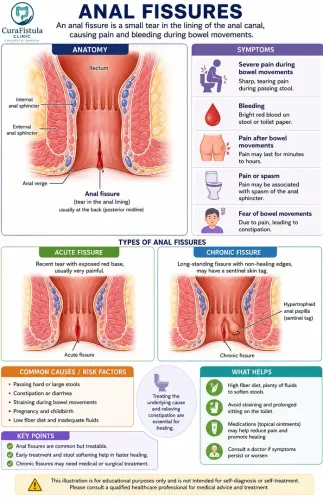
An anal fissure is a small tear in the lining of the anal canal, but its symptoms can be surprisingly severe. Many people describe the pain during bowel movements as sharp or burning, often followed by discomfort that lasts for hours. While acute fissures frequently heal with medications and lifestyle changes, chronic fissures may continue to cause pain despite conservative treatment. Understanding when surgery becomes the right option can help patients avoid prolonged discomfort and recurring symptoms.
Dr. Atef J. Baakza provides comprehensive evaluation and treatment for anal fissures, helping patients determine whether non-surgical care is sufficient or if a procedure such as sphincterotomy offers the best long-term outcome. Every treatment recommendation is based on the severity of the condition and the patient's individual needs.
What Is an Anal Fissure?
An anal fissure is a tear in the delicate skin lining the anal canal. It commonly develops after passing hard stools, chronic constipation, or repeated straining during bowel movements. In some cases, prolonged diarrhea or childbirth may also contribute to its development.
When the tear does not heal within several weeks, it can become chronic. Muscle spasms around the anal canal reduce blood flow to the affected area, making natural healing increasingly difficult.
Common Symptoms of a Chronic Anal Fissure
Although symptoms vary from person to person, chronic fissures often present with:
- Sharp pain during bowel movements
- Burning sensation that persists afterward
- Bright red bleeding on toilet paper
- Visible tear near the anal opening
- Fear of passing stools due to pain
- Constipation caused by avoiding bowel movements
Many patients mistakenly believe these symptoms are caused by piles, which is why a proper medical examination is essential before beginning treatment.
Conservative Treatment vs. Surgery
Not every anal fissure requires surgery. In fact, many acute fissures heal successfully with conservative care.
Non-surgical treatment may include:
- Increasing dietary fibre
- Drinking adequate water
- Stool softeners
- Warm sitz baths
- Prescription ointments to relax the anal muscles
- Lifestyle modifications to improve bowel habits
These treatments aim to reduce pain, improve blood flow, and allow the fissure to heal naturally.
However, if symptoms persist despite several weeks of appropriate treatment, surgery may become the most effective option.
When Is Sphincterotomy Recommended in South Mumbai?
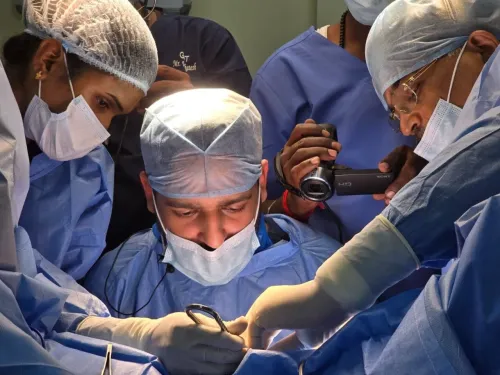
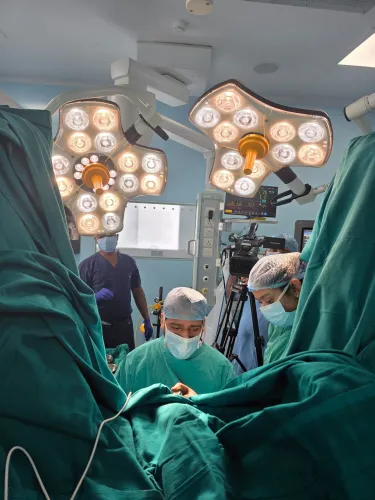
For patients in South Mumbai experiencing ongoing pain despite medications, a lateral internal sphincterotomy may be recommended. This procedure involves carefully dividing a small portion of the internal anal sphincter muscle to reduce excessive muscle tension, improve blood circulation, and promote healing of the fissure.
Surgery may be considered if you have:
- A chronic fissure that has not healed with medical treatment
- Severe pain affecting daily activities
- Recurrent fissures
- Persistent bleeding
- Muscle spasms confirmed during examination
- Difficulty passing stools because of ongoing pain
The decision is always made after a detailed clinical assessment rather than based solely on symptoms.
Benefits of Sphincterotomy
When performed for appropriately selected patients, sphincterotomy offers several potential advantages.
These include:
- Long-term relief from pain
- Improved healing of chronic fissures
- Reduced muscle spasms
- Better bowel comfort
Lower risk of repeated fissure episodes compared with continued conservative treatment in chronic cases
Since every patient's condition is unique, expected outcomes are discussed during the consultation.
What to Expect Before and After Surgery
Before recommending surgery, the specialist evaluates:
- Your medical history
- Duration of symptoms
- Previous treatments
- Bowel habits
- Overall health
In most cases, sphincterotomy is performed as a planned procedure. Recovery varies among patients, but many are encouraged to resume light daily activities within a relatively short period while following postoperative instructions.
Recovery advice commonly includes:
- Maintaining good hygiene
- Eating a high-fibre diet
- Drinking plenty of fluids
- Avoiding constipation
- Taking prescribed medications
- Attending scheduled follow-up visits
Following these recommendations helps support proper healing and reduces unnecessary strain on the surgical site.
How to Choose the Right Specialist
Anal fissure surgery requires careful judgement because surgery is only appropriate when conservative treatment has not achieved satisfactory results. An experienced colorectal surgeon considers both symptom severity and long-term bowel function before recommending any procedure.
When evaluating a specialist, patients should look for:
- Experience in treating anorectal conditions
- Thorough diagnostic evaluation
- Personalized treatment recommendations
- Clear explanation of available options
- Comprehensive postoperative care
These factors contribute to informed decision-making and a smoother treatment journey.
Don't Let Persistent Pain Become Your New Normal
Living with a chronic anal fissure can affect everything from daily routines to work and overall well-being. If pain continues despite medications and lifestyle changes, it may be time to explore advanced treatment options rather than relying on temporary relief.
Patients across Mumbai seeking expert care for chronic anal fissures often consult Dr. Atef J. Baakza for a detailed assessment and evidence-based treatment plan. Whether conservative management remains appropriate or sphincterotomy is recommended, receiving the right treatment at the right time can help restore comfort, promote healing, and improve quality of life.
Keywords