Many people tolerate haemorrhoidal symptoms for months because they expect the problem to resolve on its own. Others repeatedly use creams or home remedies whenever bleeding returns.
Occasional mild symptoms and persistent haemorrhoidal disease are not necessarily managed in the same way. Knowing when specialist evaluation becomes reasonable can prevent prolonged uncertainty.
When Symptoms Keep Returning
Recurrent piles symptoms are a practical reason to seek assessment.
This can include repeated bleeding, prolapse during bowel movements, irritation, difficulty with hygiene or discomfort that interferes with everyday activities.
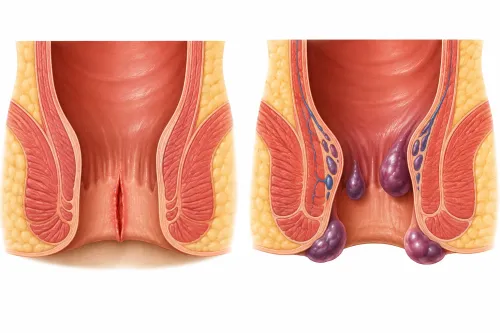
A consultation can determine whether haemorrhoids are actually responsible and, if so, their clinical extent.
When Bleeding Has Never Been Properly Evaluated
Rectal bleeding should not automatically be attributed to piles.
Haemorrhoids are a common cause of bright red bleeding, but other conditions can also produce rectal blood. The need for further investigation depends on factors including symptoms, examination, age, medical history and relevant risk factors.
Patients should mention changes in bowel habits or other new gastrointestinal symptoms rather than focusing only on the bleeding.
When Conservative Measures Have Not Been Enough
Management of uncomplicated haemorrhoidal symptoms may involve improving bowel habits and reducing constipation and straining.
When appropriate measures have been followed but troublesome symptoms continue, procedural treatment may be discussed.
The right procedure depends on the type and degree of haemorrhoids and the symptoms causing the greatest problem. A treatment should therefore be selected after assessment rather than because it is described as newer or more advanced.
What Should You Prepare for Consultation?
Before seeing a colorectal specialist, consider noting:
- How long bleeding has been present
- Whether tissue protrudes during bowel movements
- Whether prolapse returns by itself
- Presence of pain, itching or swelling
- Frequency of constipation or straining
- Previous haemorrhoid treatments
- Current medicines
- Relevant previous investigations
This information can make the initial discussion more focused.
Specialist Assessment in South Mumbai
For patients living around South Mumbai, including Charni Road, Grant Road, Marine Lines and nearby Maharashtra localities, access to follow-up can also be considered when selecting a provider.
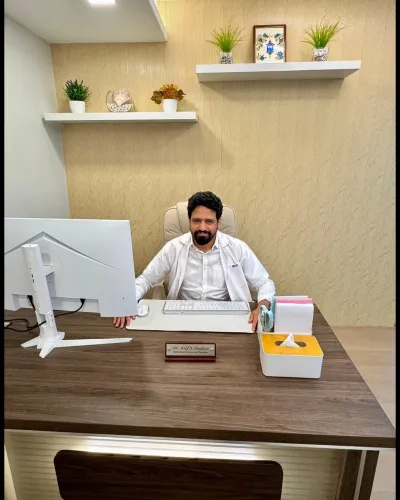
Dr. Atef J. Baakza evaluates piles and other colorectal conditions in Mumbai. Consultation can help determine whether symptoms are suitable for conservative care, require additional investigation or justify discussion of a procedure.
The readiness indicator for specialist care is not simply how embarrassing or uncomfortable the condition feels. Persistent bleeding, recurring prolapse, repeated symptoms and uncertainty about the diagnosis are stronger reasons to arrange an assessment.
A confirmed diagnosis also helps patients avoid repeatedly treating 'piles' when another anorectal condition may actually be responsible for their symptoms.
Keywords