Pain and bleeding during bowel movements are often immediately blamed on piles. However, an anal fissure can produce similar complaints, particularly when pain is a prominent symptom.
Understanding the differences can help patients describe their symptoms accurately, although examination may still be required for a definite diagnosis.
What Is an Anal Fissure?
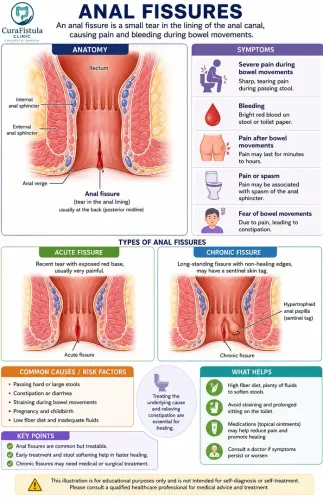
A fissure is a small tear in the lining of the anal canal. It can occur after passage of hard stool, although other factors may sometimes be involved.
A typical complaint is sharp pain during a bowel movement. The discomfort may continue for some time afterwards, and a small amount of bright red blood may be noticed.
When a fissure persists, muscle spasm and repeated trauma can interfere with healing.
How Are Piles Different?
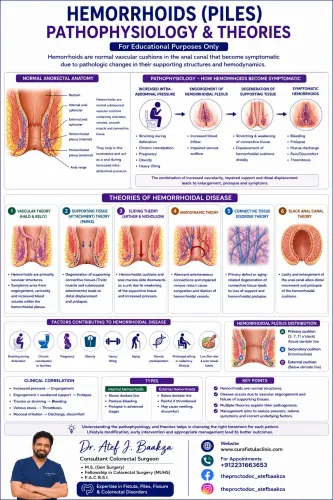
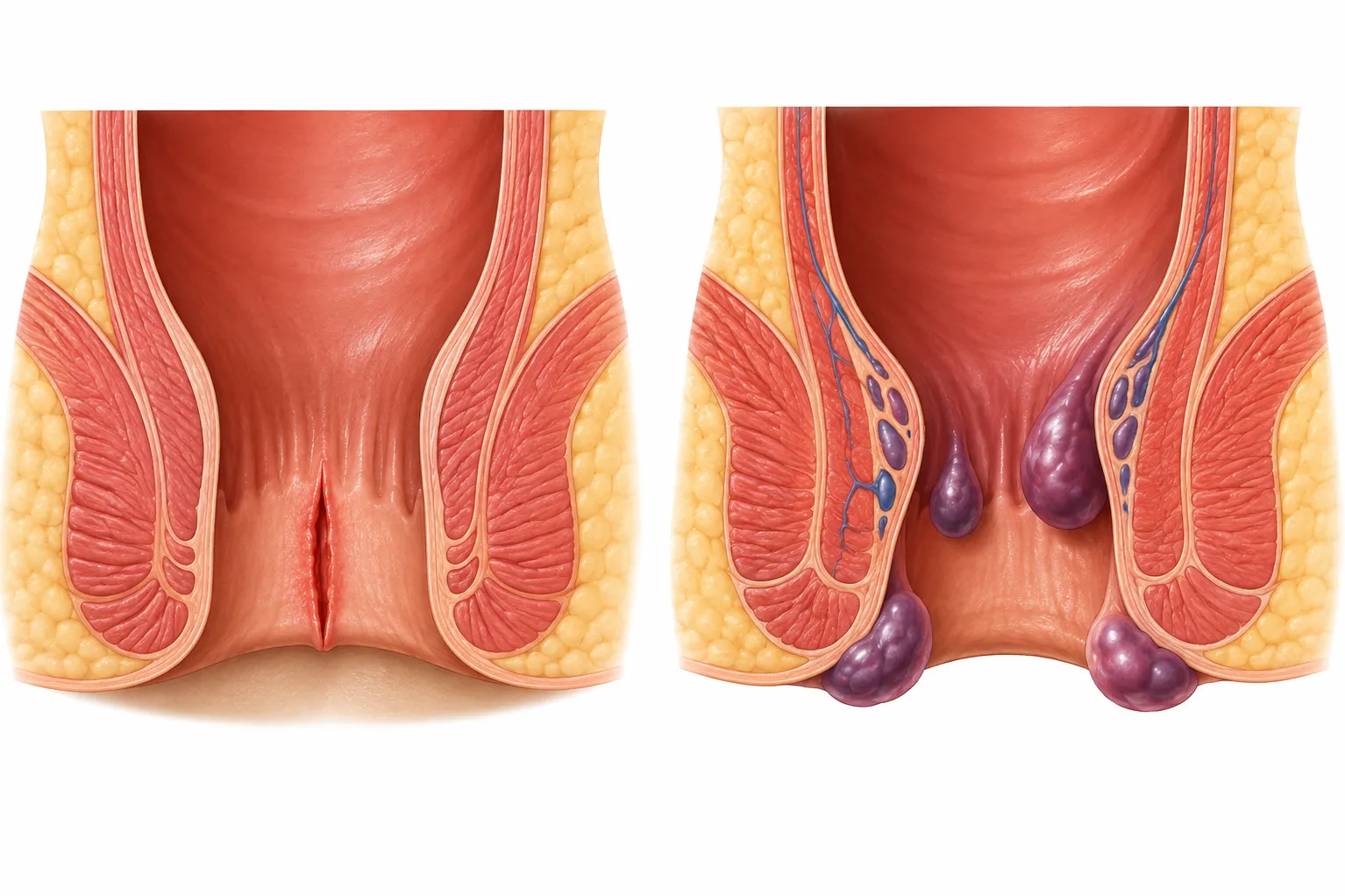
Haemorrhoids are vascular cushions within the anal canal that become symptomatic when enlarged, prolapsing, bleeding or otherwise problematic.
While both conditions may cause bright red bleeding, their symptom patterns can differ.
A simplified comparison is useful:
- Fissure: pain during or after stool is often prominent.
- Internal piles: bleeding or prolapse may be more noticeable than pain.
- Fistula: recurrent discharge or swelling is more characteristic.
- Abscess: increasing painful swelling, sometimes accompanied by fever, requires medical attention.
These patterns provide clues rather than a diagnosis.
Why Does Correct Identification Matter?
Someone who assumes a painful fissure is piles may continue using haemorrhoid-focused remedies without addressing factors contributing to the tear.
Likewise, assuming all bleeding comes from a fissure or piles can be misleading because rectal bleeding has multiple possible causes.
For people in Marine Lines, South Mumbai and other Maharashtra neighbourhoods, clinical assessment becomes particularly useful when symptoms continue despite initial measures.
What Can Help an Anal Fissure?
For selected patients, early management can focus on keeping stools soft and reducing trauma during bowel movements. Dietary fibre, suitable fluid intake and management of constipation may form part of treatment.
Specific medicines may also be prescribed when clinically appropriate to assist healing or reduce sphincter spasm.
Persistent or chronic fissures sometimes require additional treatment, and surgery such as sphincterotomy may be considered in selected cases after assessment of benefits and risks.
When Should You Arrange an Examination?
Evaluation is sensible when pain is severe, bleeding continues, symptoms repeatedly return or self-care has not resulted in improvement.
Dr. Atef J. Baakza assesses fissures, haemorrhoids and other anorectal disorders for patients in Mumbai. The aim of evaluation is to establish the diagnosis before deciding whether conservative management or another treatment is suitable.
For someone experiencing painful bowel movements in Marine Lines, recognising that 'piles' is not a universal explanation for anal symptoms can be an important first step toward appropriate care.
Keywords