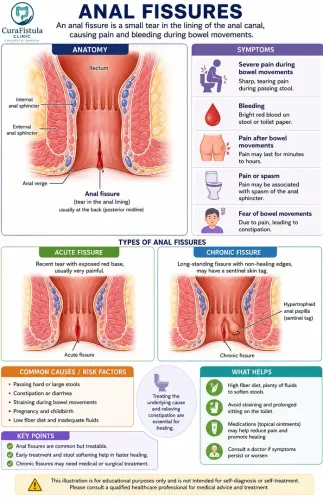
Seeing bright red blood after a bowel movement can be alarming. While haemorrhoids are one possible explanation, bleeding should not automatically be labelled as piles without medical assessment.
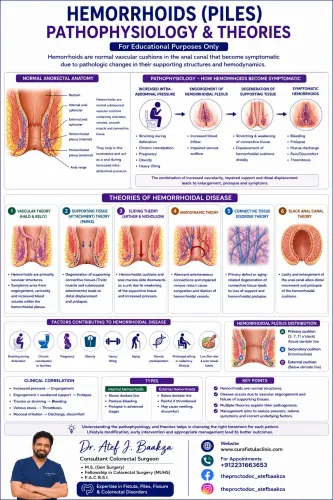
Piles, medically called haemorrhoids, involve enlarged or symptomatic vascular cushions in or around the anal canal. They are common, but their symptoms and severity can differ considerably between individuals.
What Symptoms Can Piles Cause?
Possible haemorrhoidal symptoms include:
- Bright red bleeding during bowel movements
- Tissue protruding from the anus
- Anal discomfort
- Itching or irritation
- A lump around the anal opening
- Difficulty maintaining local hygiene after prolapse
Internal haemorrhoids may cause bleeding or prolapse without significant pain. Painful anal symptoms can have other explanations, including fissures, thrombosis, abscesses and inflammatory conditions.
This distinction matters when deciding on treatment.
What Can Contribute to Haemorrhoidal Symptoms?
Constipation and repeated straining are commonly associated with haemorrhoidal problems. Prolonged time spent on the toilet and changes in bowel habits can also contribute to symptoms.
Improving stool consistency and reducing unnecessary straining may therefore form part of management for appropriate patients.
Measures commonly discussed include adequate dietary fibre, appropriate fluid intake, regular physical activity and responding to the natural urge to pass stool rather than repeatedly delaying it.
Individual dietary or medical requirements can differ, so recommendations should be adapted accordingly.
Does Every Patient Need a Procedure?
No.
Treatment depends on symptoms, examination findings and the degree of haemorrhoidal disease. Conservative management may be sufficient for some patients, particularly when symptoms are mild.
When symptoms persist, prolapse becomes troublesome or bleeding continues despite appropriate conservative care, further treatment options can be considered.
The procedure selected is not determined simply by the word 'piles.' The type and degree of haemorrhoids, predominant symptoms and individual medical factors all influence the decision.
When Should Rectal Bleeding Be Checked?
Repeated bleeding deserves evaluation rather than indefinite self-treatment.
Patients should also mention changes in bowel habits, unexplained weight changes, abdominal symptoms, family history and other relevant health information during consultation. These details can help a doctor determine whether additional investigation is appropriate.
For residents of Grant Road and nearby areas of Mumbai, Maharashtra, specialist evaluation can distinguish haemorrhoids from other anorectal causes of bleeding and discomfort.
Dr. Atef J. Baakza assesses piles and other colorectal conditions with management based on the diagnosis and clinical findings.
Rather than assuming every episode of bleeding is haemorrhoidal, identifying its source provides a more reliable foundation for deciding whether lifestyle measures, medical management, further investigation or a procedure is appropriate.
Keywords