An anal fistula is more than a recurring infection or an uncomfortable wound near the anus. When the fistula becomes complex, it can significantly impact daily life through persistent pain, repeated abscesses, discharge, and difficulty sitting or performing routine activities. While medications may temporarily control an infection, they usually cannot eliminate the fistula itself. Understanding when surgery becomes the most appropriate option helps patients make informed decisions about their health.
Dr. Atef J. Baakza specializes in the diagnosis and surgical management of simple and complex anal fistulas, with treatment plans tailored to the individual's condition rather than a one-size-fits-all approach. Proper evaluation is particularly important because not every fistula requires the same surgical technique.
What Makes an Anal Fistula Complex?
An anal fistula is an abnormal tunnel connecting the anal canal to the skin surrounding the anus. While some fistulas are straightforward and relatively simple to treat, others involve multiple branches or pass through important muscles that control bowel movements.
A fistula may be considered complex if it:
- Has multiple tracts or openings
- Involves a significant portion of the anal sphincter muscles
- Recurs after previous surgery
- Is associated with inflammatory bowel disease
- Extends deeper into surrounding tissues
Complex fistulas require careful planning to eliminate the infection while preserving normal bowel function.
Why Conservative Treatment Often Isn't Enough
Patients often hope that antibiotics or home remedies will permanently resolve the condition. While these measures may temporarily reduce swelling or control an active infection, they rarely remove the fistula tract itself.
Without definitive treatment, patients may continue to experience:
- Recurrent abscess formation
- Continuous or intermittent discharge
- Persistent pain
- Skin irritation
- Repeated infections
- Progressive formation of additional fistula branches
This is why specialist evaluation is recommended when symptoms continue despite initial treatment.
Understanding Fistulectomy
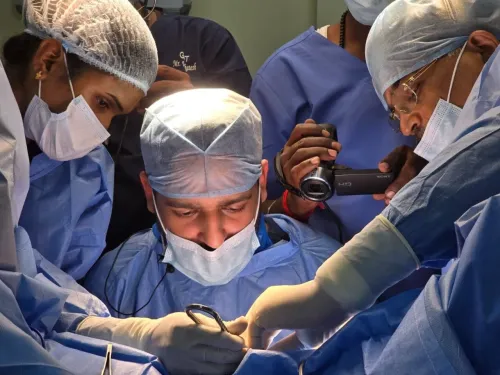
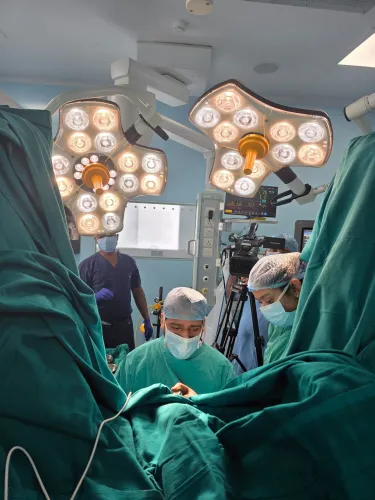
A fistulectomy is one of the established surgical procedures used to treat selected anal fistulas. During the procedure, the surgeon removes the fistula tract completely to eliminate the source of ongoing infection.
The decision to perform a fistulectomy depends on several factors, including:
- The location of the fistula
- Its complexity
- The involvement of sphincter muscles
- Previous treatments
- Overall patient health
Because every fistula is different, surgery is planned only after a detailed clinical assessment and, when necessary, imaging studies.
Who May Benefit from Fistulectomy in Mumbai?
Patients across Mumbai commonly seek specialist care when recurring symptoms begin interfering with work, travel, or everyday comfort. Surgery may be considered if you experience:
- Frequent drainage near the anus
- Recurring abscesses
- Pain that returns after temporary improvement
- A fistula that has not healed with previous treatment
- Multiple external openings
- Persistent infection despite medication
Early intervention can prevent the condition from becoming more extensive and reduce the likelihood of repeated procedures.
Why Accurate Diagnosis Comes Before Surgery
One of the most important parts of treating a complex anal fistula is understanding its exact anatomy. A surgeon needs to know where the tract begins, how it travels, and whether it crosses muscles responsible for continence.
Depending on the case, evaluation may include:
- Clinical examination
- MRI imaging
- Endoanal ultrasound
- Examination under anaesthesia
These investigations help create a detailed treatment plan while minimizing unnecessary tissue damage during surgery.
What to Expect During Recovery
Recovery after fistulectomy varies based on the complexity of the fistula and the extent of surgery. Most patients receive detailed instructions to support healing and reduce the risk of recurrence.
Recovery generally focuses on:
- Maintaining proper wound hygiene
- Following prescribed medications
- Eating a high-fibre diet
- Drinking plenty of fluids
- Avoiding excessive straining
- Attending scheduled follow-up appointments
Healing is gradual, and following postoperative advice plays an important role in achieving the best possible outcome.
Choosing an Experienced Colorectal Surgeon in Mumbai
Complex fistula surgery requires precision, experience, and a thorough understanding of colorectal anatomy. The primary goal is not only to remove the fistula but also to preserve the muscles responsible for bowel control whenever possible.
When selecting a specialist, patients should consider factors such as:
- Experience treating complex fistulas
- Comprehensive diagnostic evaluation
- Personalized surgical planning
- Access to advanced treatment techniques
- Structured follow-up care after surgery
These aspects contribute to safer treatment and improved long-term outcomes.
Taking the Next Step
Living with a complex anal fistula can be physically uncomfortable and emotionally exhausting, particularly when symptoms repeatedly return after temporary improvement. Although surgery may seem intimidating, delaying treatment often allows the condition to progress and become more difficult to manage.
Patients in Mumbai experiencing persistent drainage, recurrent infections, or non-healing fistulas benefit from consulting an experienced colorectal specialist who can accurately assess the condition and recommend the most appropriate treatment. With careful diagnosis and individualized surgical planning, Dr. Atef J. Baakza helps patients understand their options and work toward long-term relief while prioritizing both successful healing and preservation of normal bowel function.
Keywords