Passing stools should never be painful or unusually difficult. When the anal canal becomes abnormally narrow, it can interfere with normal bowel movements and significantly affect daily comfort. This condition, known as an anal stricture, may develop after surgery, chronic inflammation, trauma, or repeated infections. While mild narrowing may respond to conservative management, more severe cases often require a surgical procedure known as stricturoplasty to restore normal function.
Dr. Atef J. Baakza evaluates patients with anal strictures using a personalized approach, identifying the severity of the condition before recommending the most suitable treatment. Understanding what to expect throughout the treatment journey helps patients feel informed and prepared.
What Is an Anal Stricture?
An anal stricture occurs when scar tissue narrows the anal canal, making it difficult for stool to pass normally. The narrowing can range from mild to severe and may gradually worsen if left untreated.
Unlike temporary constipation, an anal stricture is a structural problem that often requires specialist evaluation to determine the underlying cause.
What Causes an Anal Stricture?
Several conditions can lead to scar formation and narrowing of the anal canal, including:
- Previous anorectal surgery
- Complications following hemorrhoid surgery
- Chronic anal fissures
- Inflammatory bowel diseases
- Radiation therapy
- Trauma to the anal region
- Recurrent infections
Identifying the exact cause helps determine the most appropriate treatment plan.
Symptoms That May Indicate an Anal Stricture
Symptoms often develop gradually and may become more noticeable over time.
Common signs include:
- Difficulty passing stools
- Pain during bowel movements
- A sensation of blockage
- Constipation despite dietary improvements
- Narrow or ribbon-shaped stools
- Bleeding caused by excessive straining
- Feeling of incomplete bowel emptying
These symptoms can resemble other colorectal conditions, making a proper diagnosis essential.
Why Timely Evaluation Is Important in Mahalaxmi
For residents of Mahalaxmi and nearby areas, ignoring persistent bowel difficulties may allow the narrowing to become more severe. Early assessment improves the chances of selecting the most effective treatment before complications develop.
Seeking specialist care at the right time may help:
- Improve bowel function
- Reduce discomfort
- Prevent worsening scar tissue
- Minimize repeated complications
- Restore confidence in daily activities
Prompt evaluation also ensures that other colorectal conditions are ruled out before treatment begins.
How Is an Anal Stricture Diagnosed?
Diagnosis begins with a detailed consultation and clinical examination.
The specialist may evaluate:
- Current symptoms
- Previous surgeries
- Medical history
- Bowel habits
- Severity of narrowing
In selected cases, additional investigations may be recommended to better understand the extent of the stricture and guide treatment planning.
When Is Stricturoplasty Recommended?
Not every anal stricture requires surgery. Mild cases may improve with conservative measures such as dietary changes, stool softeners, or carefully supervised dilation.
However, stricturoplasty may be recommended when:
- Scar tissue significantly narrows the anal canal
- Conservative treatment has not improved symptoms
- Daily activities are affected by painful bowel movements
- The narrowing continues to worsen
- There is persistent difficulty passing stools
The procedure is designed to widen the narrowed area while preserving normal anal function as much as possible.
What Happens During the Procedure?
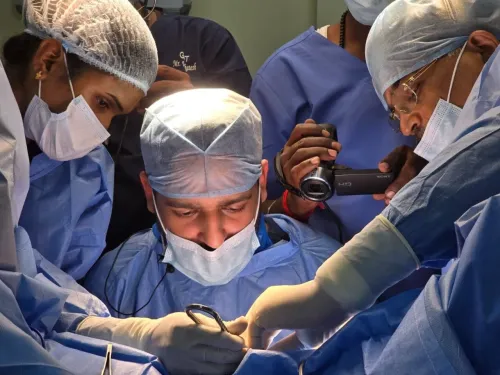
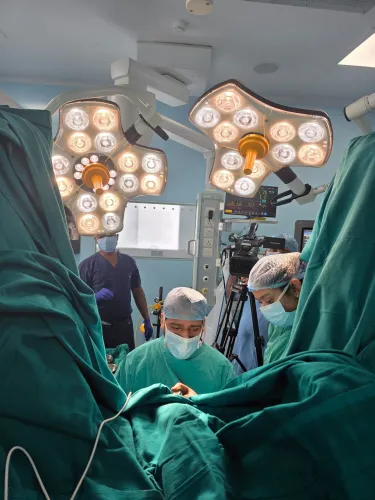
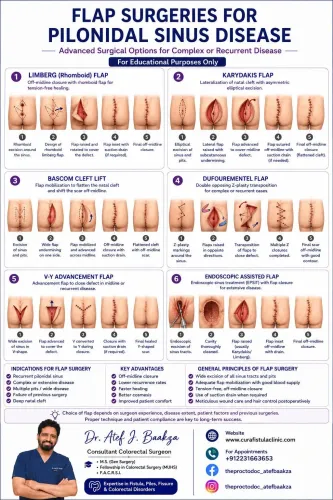
Stricturoplasty involves carefully reconstructing the narrowed portion of the anal canal to improve its diameter and flexibility. The exact surgical technique depends on:
- The location of the stricture
- The severity of scar tissue
- Previous surgeries
- Overall tissue health
The surgeon selects the approach that provides the greatest likelihood of long-term improvement while minimizing unnecessary tissue damage.
Recovery After Stricturoplasty
Recovery varies depending on the complexity of the surgery and the patient's overall health. Following postoperative guidance is an important part of achieving successful healing.
Patients are commonly advised to:
- Follow a high-fibre diet
- Drink adequate fluids
- Prevent constipation
- Maintain proper hygiene
- Take prescribed medications
- Attend scheduled follow-up appointments
These measures help support healing and reduce strain on the reconstructed area.
What Results Can Patients Expect?
Many patients experience noticeable improvement in bowel function once healing is complete. While recovery timelines differ, the primary goals of treatment include:
- Easier bowel movements
- Reduced pain
- Improved quality of life
- Better bowel control
- Lower risk of recurring narrowing
Long-term success also depends on managing any underlying conditions that contributed to the development of the stricture.
A Personalized Approach to Treatment
Anal strictures can affect both physical comfort and everyday confidence, but effective treatment begins with an accurate diagnosis and an individualized care plan. Rather than relying on temporary symptom relief, treatment focuses on restoring normal function and improving long-term outcomes.
Patients across Mumbai experiencing persistent bowel difficulties or symptoms of anal narrowing can benefit from a comprehensive evaluation by Dr. Atef J. Baakza. With careful assessment and evidence-based treatment planning, patients receive care tailored to their condition, helping them move toward improved comfort and better colorectal health.
Keywords