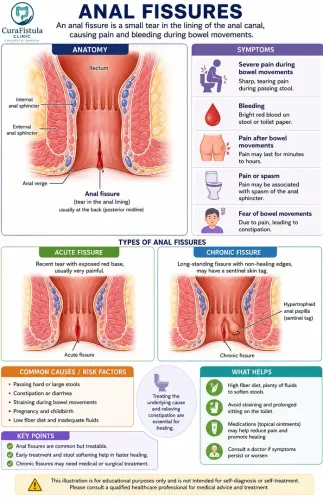
An anal fissure may appear to be a small problem on paper, but anyone who has experienced one knows the discomfort can be anything but minor. Sharp pain during bowel movements, burning sensations, and occasional bleeding can significantly impact day-to-day activities.
Many individuals attempt to manage symptoms independently for months before seeking medical advice. While certain lifestyle changes may help, persistent fissures often require a more detailed evaluation.
Fissure treatment focuses not only on healing the tear but also on addressing factors that contribute to its recurrence. Chronic constipation, straining, and increased sphincter muscle tension are common contributors that need attention during treatment planning.
Patients from Tardeo often ask whether surgery is always necessary. In many situations, conservative treatment can be effective. However, chronic or recurrent fissures may require additional interventions depending on their severity and duration.
Dr. Atef J. Baakza works with patients to identify the most suitable treatment strategy based on their specific condition and overall health. The aim is to reduce pain, promote healing, and help prevent future episodes.
Living with fissure-related discomfort can be physically and emotionally draining. Understanding the cause of symptoms is often the first step toward meaningful and lasting improvement.
Keywords