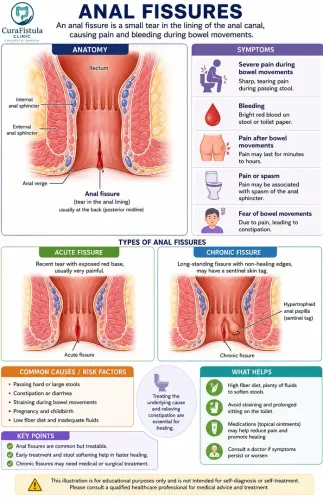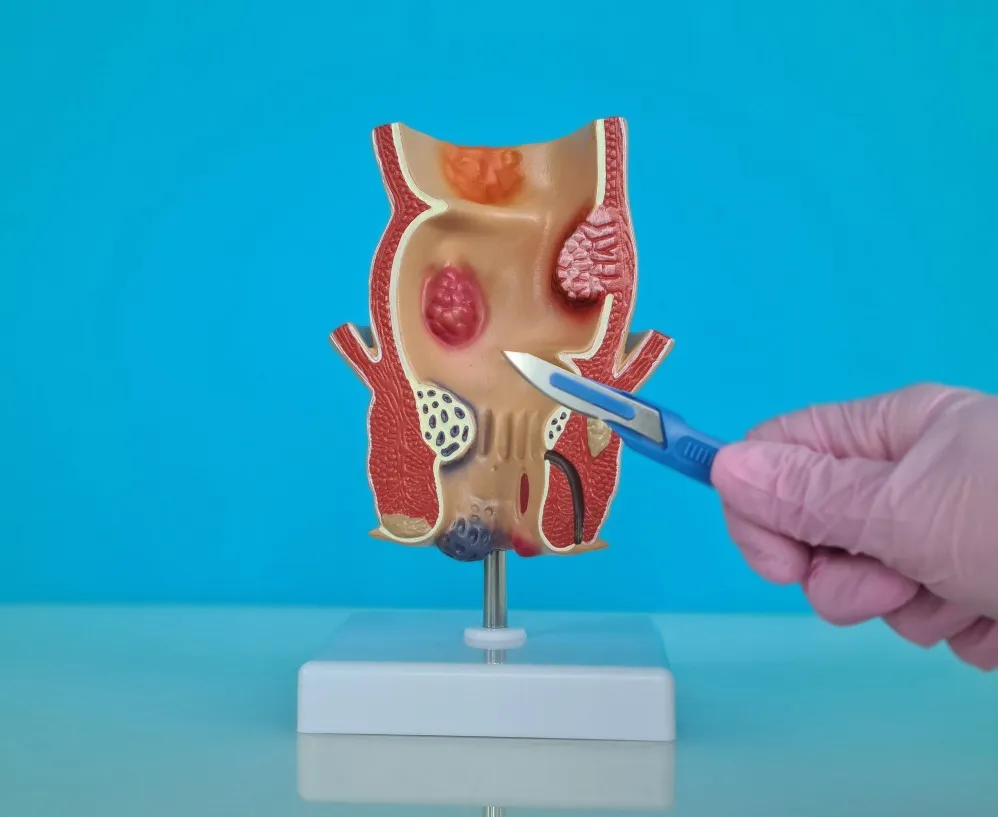
Hemorrhoids, commonly known as piles, can often be managed with dietary changes, medications, and minimally invasive procedures. However, when symptoms become severe or continue to return despite treatment, a hemorrhoidectomy may be recommended. Since surgery naturally raises many questions, understanding the procedure beforehand can help patients feel more confident about their treatment options.
Dr. Atef J. Baakza regularly evaluates patients with different grades of hemorrhoids to determine whether a hemorrhoidectomy is the most appropriate solution or if another treatment would be more suitable. The decision is always based on the patient's symptoms, examination findings, and overall health.
Why Is a Hemorrhoidectomy Performed?
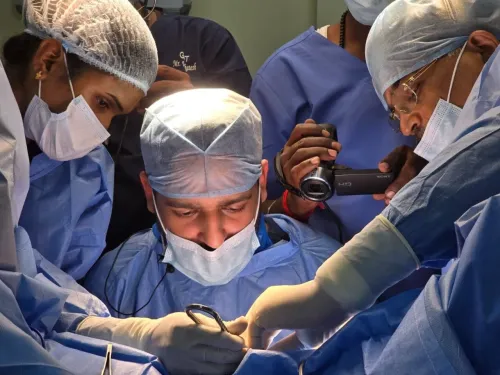
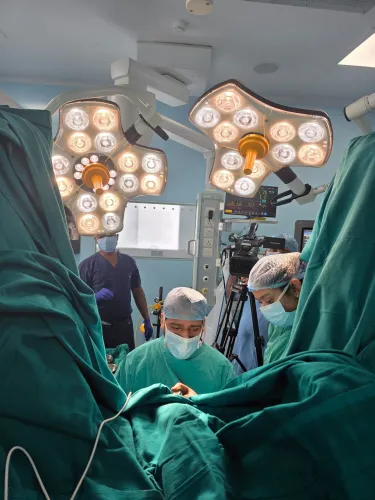
A hemorrhoidectomy is a surgical procedure that removes enlarged hemorrhoidal tissue. It is generally considered one of the most effective treatments for advanced or complicated hemorrhoids, particularly when conservative treatments no longer provide lasting relief.
The procedure is designed to eliminate the source of symptoms while reducing the likelihood of recurrence in appropriately selected patients.
When Do Doctors Recommend a Hemorrhoidectomy in Marine Lines?
Patients living or working in Marine Lines and nearby areas often seek specialist care when hemorrhoid symptoms begin affecting their daily routine. Surgery may be recommended if the condition has progressed beyond what medications or office-based procedures can effectively treat.
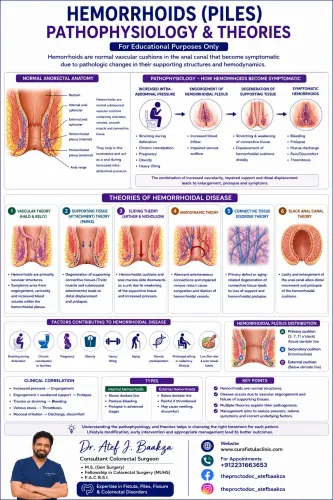
A hemorrhoidectomy may be considered for patients who have:
- Large external hemorrhoids
- Grade III or Grade IV internal hemorrhoids
- Persistent rectal bleeding
- Recurrent hemorrhoids despite previous treatment
- Significant pain during bowel movements
- Prolapsed hemorrhoids that cannot be comfortably managed
A thorough examination helps determine whether surgery is the right choice.
Frequently Asked Questions About Hemorrhoidectomy
Is every patient with piles advised to undergo surgery?
No. Most patients with mild or moderate hemorrhoids improve with lifestyle modifications, dietary changes, medications, or minimally invasive procedures. Surgery is usually reserved for advanced, recurrent, or particularly troublesome cases.
How is a hemorrhoidectomy different from other treatments?
Unlike temporary treatments that reduce symptoms, a hemorrhoidectomy removes the affected hemorrhoidal tissue. It is generally recommended when other treatment methods are unlikely to provide long-term relief.
Is the procedure painful?
Modern surgical techniques, effective anesthesia, and postoperative pain management have significantly improved patient comfort. While some discomfort during recovery is expected, the severity varies from person to person and is managed with appropriate medications and care.
How long does recovery usually take?
Recovery depends on factors such as the extent of surgery, overall health, and how closely postoperative instructions are followed. Many patients gradually return to normal daily activities over the following weeks while continuing proper bowel care.
Will hemorrhoids return after surgery?
Although hemorrhoidectomy offers excellent long-term results, recurrence is still possible if contributing factors such as chronic constipation, excessive straining, obesity, or poor bowel habits continue. Maintaining a healthy lifestyle plays an important role in preventing future problems.
What preparations are required before surgery?
Before recommending surgery, the surgeon reviews your medical history, current medications, and overall health. You may receive instructions regarding fasting, bowel preparation if required, and medications that should be temporarily adjusted before the procedure.
Are there risks associated with hemorrhoidectomy?
Like any surgical procedure, hemorrhoidectomy carries certain risks, including bleeding, infection, temporary discomfort, or delayed wound healing. Serious complications are uncommon when the procedure is performed by an experienced colorectal surgeon and postoperative advice is followed carefully.
When should someone seek medical attention instead of self-treating?
Medical evaluation is recommended if you experience:
- Rectal bleeding that continues or increases
- Persistent pain
- A prolapsed hemorrhoid
- Difficulty sitting comfortably
- Symptoms that do not improve after home treatment
- Recurrent episodes affecting daily life
Ignoring these symptoms may delay appropriate diagnosis, as not all rectal bleeding is caused by hemorrhoids.
What Can You Expect During the Initial Consultation?
The first consultation focuses on identifying the exact cause of your symptoms rather than recommending surgery immediately. The specialist will usually discuss:
- Your current symptoms
- Previous treatments
- Dietary and bowel habits
- Medical history
- Any history of rectal bleeding or related conditions
A clinical examination may be performed to determine the grade of hemorrhoids and whether additional investigations are necessary before planning treatment.
Supporting Recovery After Surgery
Successful recovery depends not only on the procedure itself but also on following healthy bowel habits afterward. Patients are commonly advised to:
- Eat a fibre-rich diet
- Drink plenty of water throughout the day
- Avoid prolonged straining during bowel movements
- Stay physically active as advised
- Take medications exactly as prescribed
- Attend follow-up appointments to monitor healing
These measures help promote recovery while reducing unnecessary pressure on the healing tissues.
Making an Informed Decision
Choosing whether to undergo a hemorrhoidectomy should always be based on a detailed medical evaluation rather than symptom severity alone. Patients experiencing persistent hemorrhoids deserve a treatment plan that considers both short-term symptom relief and long-term outcomes.
For individuals across Mumbai seeking expert assessment for advanced hemorrhoids, Dr. Atef J. Baakza provides comprehensive evaluations and personalized treatment recommendations based on the nature of the condition. By understanding the available options and asking the right questions, patients can move forward with greater confidence and make informed decisions about their colorectal health.
Keywords