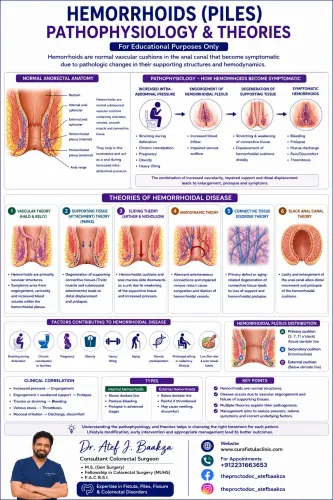
Many patients diagnosed with hemorrhoids initially hope that symptoms will resolve through medication or lifestyle changes alone. While this is often possible for early-stage cases, advanced hemorrhoids sometimes require a more definitive treatment approach.
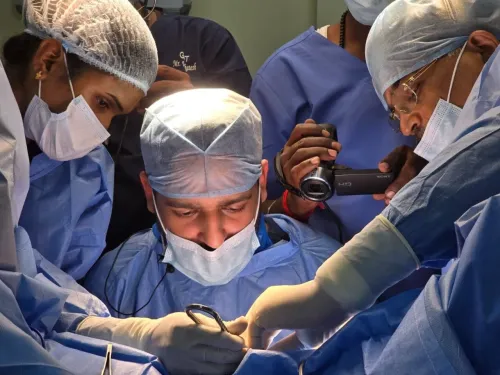
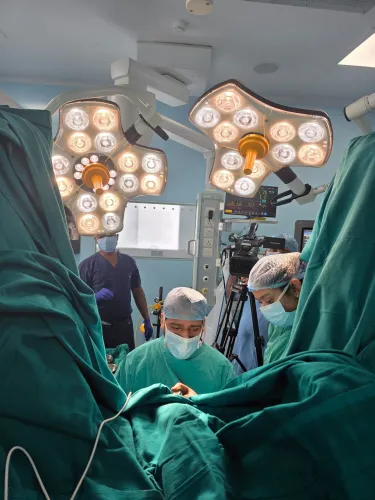
Hemorrhoidectomy surgery remains one of the most established surgical options for managing severe or persistent hemorrhoidal disease. It is generally considered when symptoms such as significant bleeding, prolapse, or ongoing discomfort continue despite conservative treatment.
Patients from Girgaon frequently ask whether surgery should be viewed as a last resort. The answer depends on the condition itself. In some situations, surgical management may provide the most effective and lasting solution.
A key aspect of successful treatment lies in accurate assessment. Not all hemorrhoids behave the same way, and treatment recommendations should always reflect the severity and characteristics of the condition.
Dr. Atef J. Baakza focuses on helping patients understand the reasoning behind each treatment recommendation. Clear communication often reduces uncertainty and allows individuals to make informed healthcare decisions.
Ignoring symptoms for prolonged periods can sometimes lead to additional complications. Seeking professional advice early allows patients to explore available options and address concerns before they become more disruptive.
A thorough evaluation can help determine whether surgical treatment is appropriate and what outcomes can realistically be expected.
Keywords