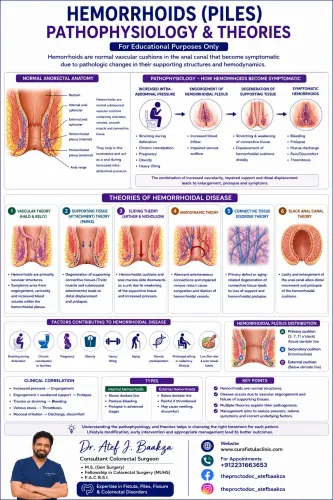
Hemorrhoids, commonly known as piles, can range from a mild inconvenience to a condition that significantly affects daily life. Persistent bleeding, pain, itching, and prolapsing tissue often make routine activities uncomfortable. While many cases improve with dietary changes and medication, advanced hemorrhoids may require a procedural solution for lasting relief. One of the modern surgical options available for selected patients is MIPH (Minimally Invasive Procedure for Hemorrhoids).
Dr. Atef J. Baakza evaluates patients with hemorrhoids individually to determine whether conservative treatment is sufficient or if procedures such as MIPH may provide better long-term outcomes. Understanding how this treatment works can help patients decide when it is appropriate to consider surgery.
Understanding MIPH
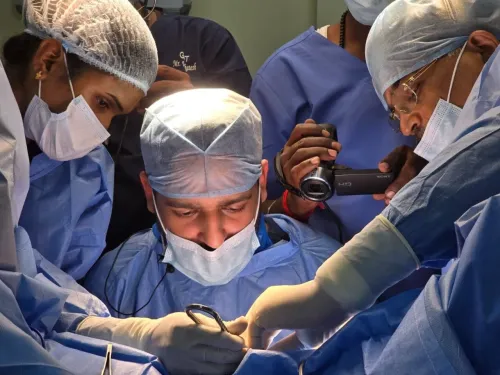
MIPH, also known as stapled hemorrhoidopexy, is a surgical technique primarily used for treating certain grades of internal hemorrhoids. Instead of removing the hemorrhoids externally, the procedure repositions the prolapsed tissue and reduces its blood supply using a specialized circular stapling device.
This approach addresses the underlying problem while minimizing trauma to the sensitive skin around the anus, making it an effective option for appropriately selected patients.
When Is MIPH Considered?
Not every patient with piles is a suitable candidate for MIPH. The procedure is generally recommended after a detailed evaluation confirms that the type and severity of hemorrhoids are appropriate for this technique.
Patients may be considered for MIPH if they experience:
- Internal hemorrhoids that prolapse during bowel movements
- Frequent rectal bleeding
- Persistent discomfort despite medication
- Recurrent symptoms affecting daily activities
- Difficulty maintaining normal bowel habits because of hemorrhoid-related pain
An experienced colorectal surgeon will determine whether MIPH or another treatment option offers the best results.
MIPH vs. Conventional Hemorrhoid Surgery
Many patients compare MIPH with traditional hemorrhoid surgery before making a decision. While both procedures aim to treat hemorrhoids effectively, they differ in technique and recovery.
MIPH is generally associated with:
- Less postoperative discomfort in suitable cases
- Smaller external wounds
- Shorter hospital stay for many patients
- Earlier return to routine activities
- Effective treatment of prolapsing internal hemorrhoids
Traditional hemorrhoidectomy, however, may remain the preferred choice for certain advanced or external hemorrhoids. The most suitable option depends on the clinical findings rather than patient preference alone.
Who Should Consider MIPH in Byculla?
Residents of Byculla and nearby parts of Mumbai often lead busy lifestyles that make prolonged recovery a concern. For eligible patients, MIPH may offer an alternative that balances effective treatment with a relatively smoother recovery compared to conventional surgery.
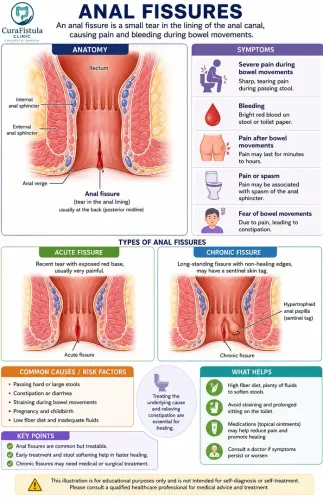
However, choosing the right procedure begins with an accurate diagnosis. Symptoms such as bleeding or pain may also be caused by anal fissures, fistulas, or other colorectal conditions. A specialist evaluation ensures that treatment is directed toward the actual cause of the symptoms.
What Happens Before the Procedure?
Before recommending MIPH, the surgeon performs a thorough assessment that may include:
- Reviewing medical history
- Understanding symptom duration and severity
- Physical examination
- Proctoscopic examination when necessary
- Assessment of hemorrhoid grade
This detailed evaluation helps determine whether MIPH is the most appropriate treatment or if another procedure would provide better long-term results.
Recovery After MIPH
Recovery experiences vary depending on the individual and the severity of the condition. Following postoperative instructions plays an important role in achieving optimal healing.
Patients are generally advised to:
- Maintain a high-fibre diet
- Drink adequate water
- Avoid constipation
- Take prescribed medications as directed
- Walk regularly to promote circulation
- Attend follow-up appointments to monitor healing
Most patients gradually resume normal activities while continuing to follow bowel care recommendations.
Choosing the Right Specialist for Hemorrhoid Treatment
The success of hemorrhoid treatment depends not only on the surgical technique but also on selecting the right treatment for the specific condition. A careful evaluation helps avoid unnecessary procedures and ensures patients receive care tailored to their needs.
When choosing a colorectal specialist, patients should consider:
- Experience in treating different grades of hemorrhoids
- Access to both surgical and non-surgical treatment options
- Individualized treatment planning
- Clear communication about expected outcomes
- Comprehensive postoperative care
These factors contribute to better decision-making and improved patient satisfaction.
Making an Informed Treatment Decision
Persistent hemorrhoid symptoms should not be accepted as a normal part of life. If conservative measures have failed to provide lasting relief, it may be time to explore advanced treatment options. Patients in Mumbai experiencing recurring bleeding, prolapse, or discomfort can benefit from a comprehensive colorectal evaluation. After assessing the condition thoroughly, Dr. Atef J. Baakza recommends treatment based on clinical findings, helping patients choose the option that offers the best balance of effectiveness, safety, and long-term comfort.
Keywords