Digestive health is often discussed in terms of diet and lifestyle, but problems affecting the rectum, anus, and colon are frequently overlooked until they become difficult to ignore. Symptoms such as persistent pain during bowel movements, rectal bleeding, swelling, or recurring infections may indicate an underlying colorectal condition that requires specialist evaluation. Consulting a leading colorectal surgeon at the right time can help identify the cause early and reduce the risk of complications.
A colorectal surgeon specializes in diagnosing and treating conditions affecting the lower digestive tract. While many concerns can initially be managed with medication or lifestyle modifications, some conditions require advanced surgical expertise to provide lasting relief.
Signs That Shouldn't Be Ignored
Many people delay seeking medical attention because they assume symptoms will improve on their own or feel uncomfortable discussing them. However, early assessment is important if you experience:
- Persistent rectal bleeding
- Pain during or after bowel movements
- Swelling or lumps around the anal region
- Recurrent infections or discharge
- Chronic constipation accompanied by pain
- Difficulty controlling bowel movements
- Non-healing wounds around the anus
These symptoms can be associated with a range of conditions, including piles, fissures, anal fistulas, or more complex colorectal disorders.
Conditions Commonly Managed by a Colorectal Surgeon
A specialist evaluates each patient individually before recommending treatment. Some of the most frequently treated conditions include:
Piles (Hemorrhoids)
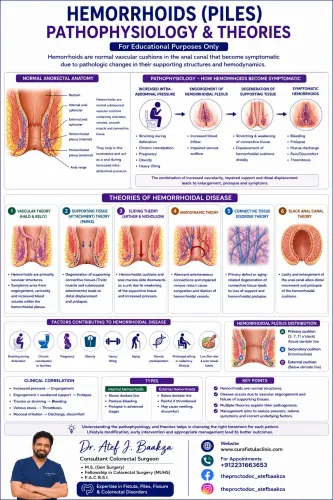
Swollen blood vessels around the rectum can cause discomfort, itching, bleeding, and protrusion. Treatment depends on the severity and may range from conservative management to minimally invasive or surgical procedures.
Anal Fissures
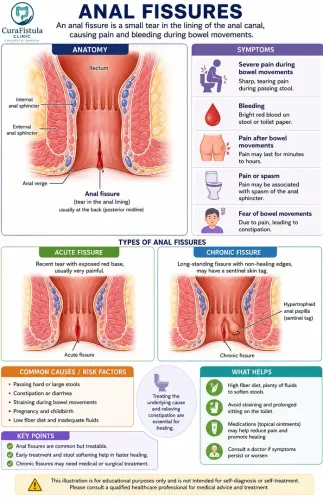
Small tears in the anal lining can cause sharp pain and bleeding during bowel movements. Early treatment often prevents the condition from becoming chronic.
Anal Fistulas
An abnormal tunnel between the anal canal and the skin can lead to recurring infections and persistent discharge. These usually require surgical treatment for complete healing.
Colorectal Infections
Abscesses and infections around the anal region should never be ignored, as delayed treatment can increase the risk of complications.
Other Functional Disorders
Certain conditions affecting bowel control or anal narrowing may also require specialized surgical care and long-term management.
Why Early Diagnosis Matters
Waiting until symptoms become severe often makes treatment more complicated. Early diagnosis offers several advantages:
- Better treatment outcomes
- Lower risk of infection
- Faster recovery
- Reduced discomfort
- More treatment options
- Prevention of disease progression
Many colorectal conditions become easier to manage when addressed during their early stages.
What Happens During the First Consultation?
A consultation is generally straightforward and focused on understanding your symptoms in detail. The specialist may ask about:
- Duration of symptoms
- Bowel habits
- Medical history
- Previous treatments
- Family history of colorectal diseases
A physical examination may be performed, and additional diagnostic investigations are recommended only when necessary. The objective is to arrive at an accurate diagnosis before discussing the most appropriate treatment plan.
Modern Treatment Approaches
Colorectal surgery has evolved considerably over the years. Depending on the condition, treatment may include:
- Lifestyle and dietary advice
- Medication
- Office-based procedures
- Minimally invasive surgery
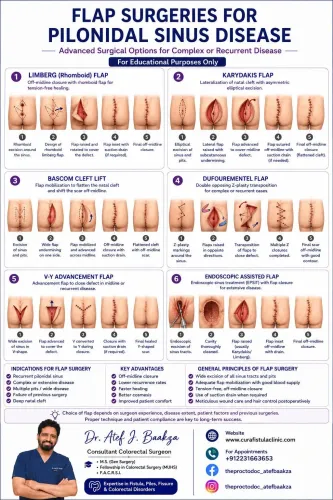
- Advanced reconstructive procedures for complex conditions
The most suitable option depends on the patient's symptoms, diagnosis, and overall health.
Why Experience Makes a Difference
Colorectal conditions often require precise surgical planning because the affected area contains delicate muscles responsible for bowel control. An experienced colorectal surgeon focuses not only on treating the disease but also on preserving normal function and minimizing complications.
Patients benefit from individualized treatment planning rather than a one-size-fits-all approach. Careful evaluation helps determine whether surgery is necessary or if conservative treatment is sufficient.
Maintaining Good Colorectal Health
Although not every condition can be prevented, adopting healthy habits may reduce the risk of common colorectal problems.
Helpful practices include:
- Eating a fibre-rich diet
- Drinking adequate water
- Avoiding prolonged straining during bowel movements
- Staying physically active
- Seeking medical advice when symptoms persist
- Following treatment recommendations consistently
Ignoring symptoms because they seem minor can often lead to prolonged discomfort and more extensive treatment later.
Individuals in Mumbai looking for specialized colorectal care often prefer consulting experienced surgeons who offer comprehensive evaluation and evidence-based treatment. Dr. Atef J. Baakza is known for managing a wide range of colorectal conditions with a patient-focused approach, helping individuals understand their diagnosis and available treatment options before making informed decisions.
Keywords