Piles, also known as hemorrhoids, are among the most common anorectal conditions affecting adults. Despite their prevalence, many people delay seeking medical attention because they mistake the symptoms for a temporary issue or feel hesitant to discuss them. While mild piles may improve with lifestyle changes, persistent or worsening symptoms should be evaluated by a specialist to prevent complications and improve quality of life.
Dr. Atef J. Baakza has extensive experience in diagnosing and managing piles, offering individualized treatment plans based on the severity of the condition and the patient's overall health. Understanding the condition and recognizing the warning signs can help patients make informed decisions about their care.
What Are Piles?
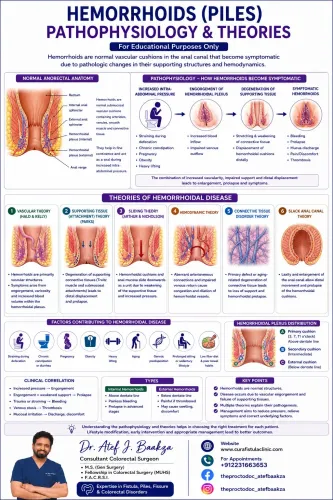
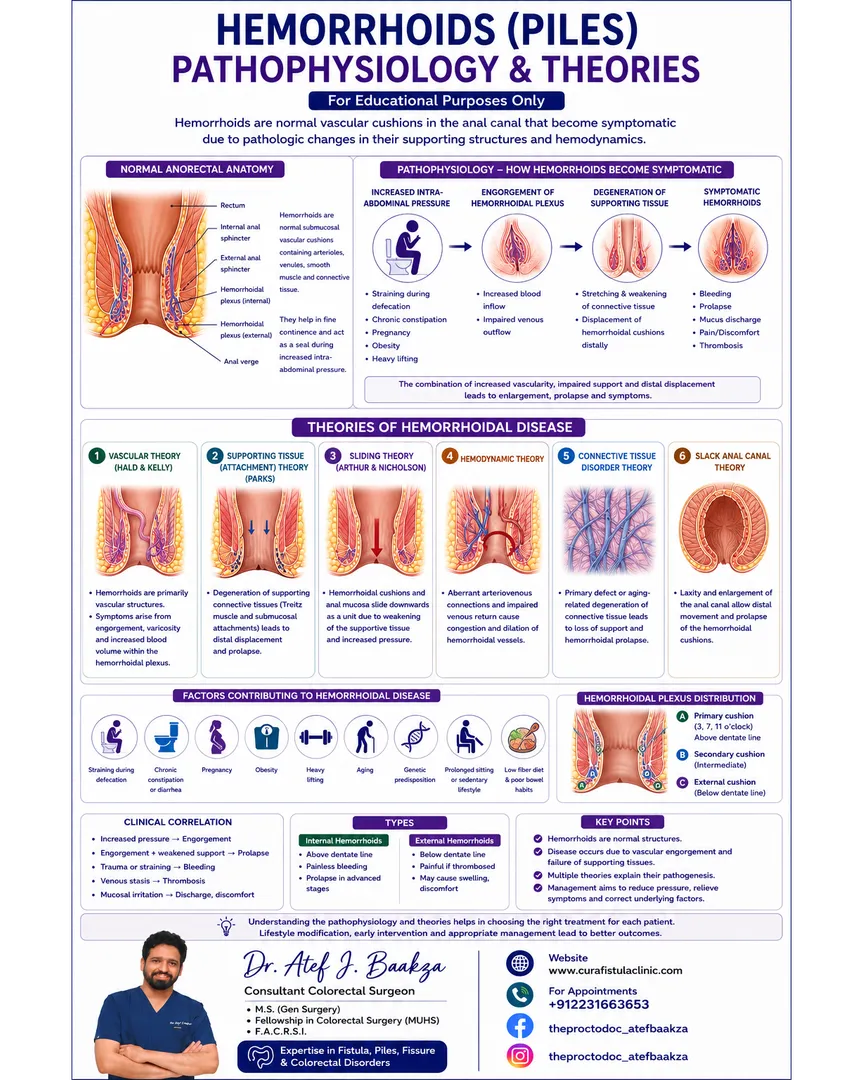
Piles are swollen veins located inside the rectum or around the anus. Similar to varicose veins, they develop when increased pressure causes the blood vessels to enlarge. Depending on their location, piles are classified as:
- Internal piles: Found inside the rectum and often painless, though they may cause bleeding.
- External piles: Located under the skin around the anus and can cause pain, swelling, and irritation.
- Prolapsed piles: Internal hemorrhoids that extend outside the anal opening during bowel movements.
The severity of symptoms varies from one individual to another, making professional evaluation important for accurate diagnosis.
Common Causes of Piles
Several factors can increase the likelihood of developing piles. Some of the most common causes include:
- Chronic constipation
- Frequent straining during bowel movements
- Sitting on the toilet for prolonged periods
- A low-fibre diet
- Pregnancy
- Obesity
- Sedentary lifestyle
- Advancing age
In many cases, a combination of these factors contributes to the development of hemorrhoids over time.
Early Symptoms You Shouldn't Ignore
The symptoms of piles may begin gradually and become more noticeable if left untreated. Common signs include:
- Bright red blood after passing stools
- Pain or discomfort during bowel movements
- Itching around the anus
- Swelling near the anal opening
- A feeling of incomplete bowel emptying
- A soft lump around the anus
- Mucus discharge in some cases
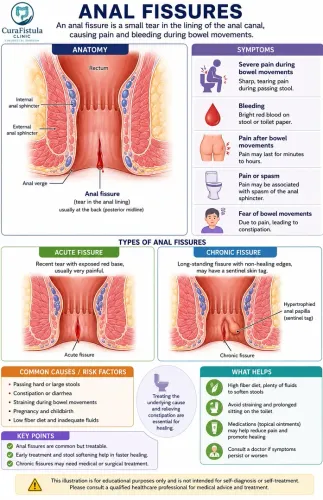
Although these symptoms are commonly associated with piles, they can also occur in other colorectal conditions. A proper medical assessment is essential to determine the underlying cause.
Managing Piles in Grant Road: Why Early Care Matters
For people living or working in Grant Road and nearby areas of Mumbai, busy schedules often lead to postponing medical consultations. Unfortunately, untreated piles can become increasingly painful and may progress to more advanced stages that require specialized treatment.
Seeking timely medical attention offers several benefits:
- Relief from persistent discomfort
- Prevention of excessive bleeding
- Lower risk of complications
- Greater likelihood of successful non-surgical management
- Improved daily comfort and quality of life
Early diagnosis also helps rule out other anorectal conditions that may present with similar symptoms.
How Are Piles Diagnosed?
Diagnosis usually begins with a detailed discussion of symptoms and medical history. Depending on the patient's condition, the specialist may recommend:
- Physical examination
- Digital rectal examination
- Proctoscopy or anoscopy
- Additional investigations if bleeding requires further evaluation
The objective is to identify the exact cause of symptoms before recommending an appropriate treatment plan.
Treatment Options for Piles
Treatment depends on the severity of the hemorrhoids and how much they affect daily life.
Lifestyle and Dietary Changes
For mild cases, increasing fibre intake, staying hydrated, and avoiding prolonged straining during bowel movements may help improve symptoms.
Medications
Certain medications can temporarily reduce pain, swelling, and irritation while supporting the healing process.
Minimally Invasive Procedures
Some patients benefit from minimally invasive techniques that effectively treat hemorrhoids with shorter recovery times.
Surgical Treatment
Advanced or recurrent piles may require procedures such as hemorrhoidectomy or other specialized surgical techniques when conservative measures are no longer effective.
The most suitable treatment is determined after a thorough clinical evaluation rather than applying the same approach to every patient.
Tips to Reduce the Risk of Piles
While piles cannot always be prevented, adopting healthy bowel habits may lower the risk of developing them or experiencing recurrent symptoms.
Helpful habits include:
- Eating fruits, vegetables, and whole grains daily
- Drinking adequate water throughout the day
- Exercising regularly
- Avoiding prolonged sitting
- Responding promptly to the urge to pass stools
- Avoiding excessive straining during bowel movements
These simple lifestyle measures contribute to better digestive health and can reduce pressure on the veins around the rectum.
Piles are a common medical condition, but they should never be ignored if symptoms persist or worsen. Early diagnosis allows for more treatment options and often leads to better outcomes. Patients in Mumbai experiencing ongoing rectal discomfort or bleeding can benefit from consulting an experienced colorectal specialist who provides evidence-based care tailored to individual needs. By addressing the problem early, it is often possible to achieve lasting relief and return to everyday activities with greater comfort.
Keywords