An anal fistula is a condition that many people hesitate to discuss, yet it can significantly affect daily comfort and quality of life. It develops when an abnormal tunnel forms between the anal canal and the surrounding skin, usually following an infection or abscess. Without appropriate treatment, the condition often persists, leading to recurring pain, swelling, and discharge.
For residents of South Mumbai, where access to specialized healthcare is readily available, recognizing the early signs of an anal fistula and seeking timely treatment can prevent repeated infections and more complex surgical procedures.
What Causes an Anal Fistula?
Most anal fistulas begin with an infection in one of the glands inside the anal canal. When an abscess forms and drains, either naturally or surgically, a tunnel may remain beneath the skin, resulting in a fistula.
Other possible causes include:
- Chronic inflammatory bowel diseases
- Previous anal surgeries
- Trauma to the anal region
- Certain infections
- Rare underlying medical conditions
The exact cause varies from patient to patient, making specialist evaluation essential.
Common Symptoms
Anal fistulas usually produce recurring symptoms rather than resolving on their own.
Typical signs include:
- Continuous or intermittent discharge near the anus
- Pain while sitting
- Swelling around the anal opening
- Recurrent abscess formation
- Skin irritation
- Occasional bleeding
- Fever during active infection
Some patients notice temporary improvement after an abscess drains, only for symptoms to return weeks later.
Why Early Diagnosis Is Important
An untreated fistula rarely heals without intervention. Delaying treatment may lead to:
- Repeated infections
- Larger fistulas
- Multiple branching tracts
- Increased discomfort
- More complex surgery
Prompt diagnosis allows the surgeon to determine the fistula's course and recommend the most appropriate treatment while protecting the muscles responsible for bowel control.
How Is an Anal Fistula Diagnosed?
Diagnosis generally begins with a detailed medical history and physical examination.
Depending on the complexity of the condition, additional investigations may include:
- Imaging studies
- Endoanal ultrasound
- MRI for complex fistulas
- Examination under anaesthesia
These investigations help map the fistula accurately before surgery.
Available Treatment Options
Treatment depends on the fistula's location, complexity, and involvement of the anal sphincter muscles.
Possible options include:
Fistulectomy
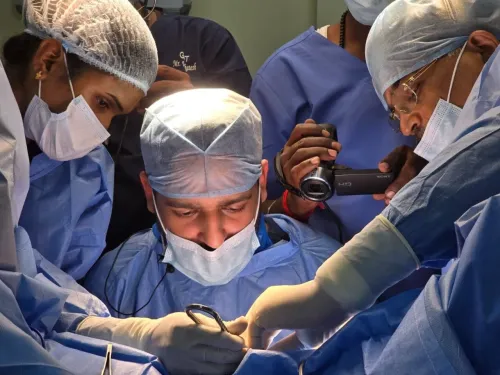
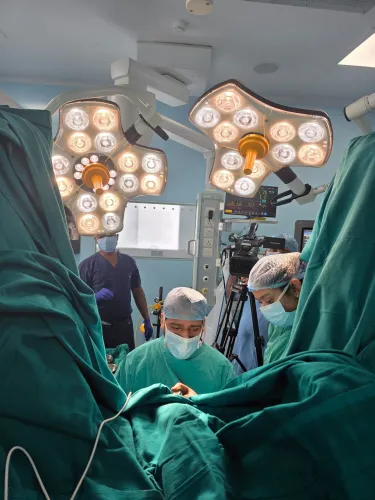
The fistula tract is surgically removed to eliminate the source of infection. This procedure is commonly recommended for suitable cases with straightforward anatomy.
Sphincter-Preserving Procedures
Complex fistulas sometimes require specialized techniques designed to treat the disease while minimizing the risk of affecting bowel control.
Drainage Procedures
When an active infection or abscess is present, drainage may be performed before definitive surgery.
Every patient requires an individualized treatment plan based on clinical findings.
Recovery After Treatment
Recovery varies depending on the procedure performed.
Patients are generally advised to:
- Maintain good hygiene
- Follow wound care instructions
- Eat a fibre-rich diet
- Stay hydrated
- Attend scheduled follow-up visits
- Avoid excessive straining during bowel movements
Most individuals gradually return to normal activities as healing progresses.
Can an Anal Fistula Be Prevented?
Not all fistulas are preventable, but prompt treatment of anal abscesses and persistent anorectal infections may reduce the risk.
Ignoring recurring pain or discharge often allows the condition to become more complicated over time.
Choosing the Right Specialist
Anal fistula surgery requires careful planning because preserving normal bowel function is just as important as eliminating the disease. Selecting a surgeon with dedicated experience in colorectal disorders can improve treatment outcomes, particularly in complex cases.
Patients across South Mumbai frequently seek experienced colorectal specialists for comprehensive diagnosis and advanced surgical care. Dr. Atef J. Baakza provides thorough evaluation and individualized treatment plans for anal fistulas, helping patients understand the condition, available treatment options, and the expected recovery process before proceeding with care.
Keywords